Articles
November 16, 2026
I Can Hear You... and Sometimes That's a Problem
Why HOW You Sound Can Matter as Much as What You Say

Lynda Halligan
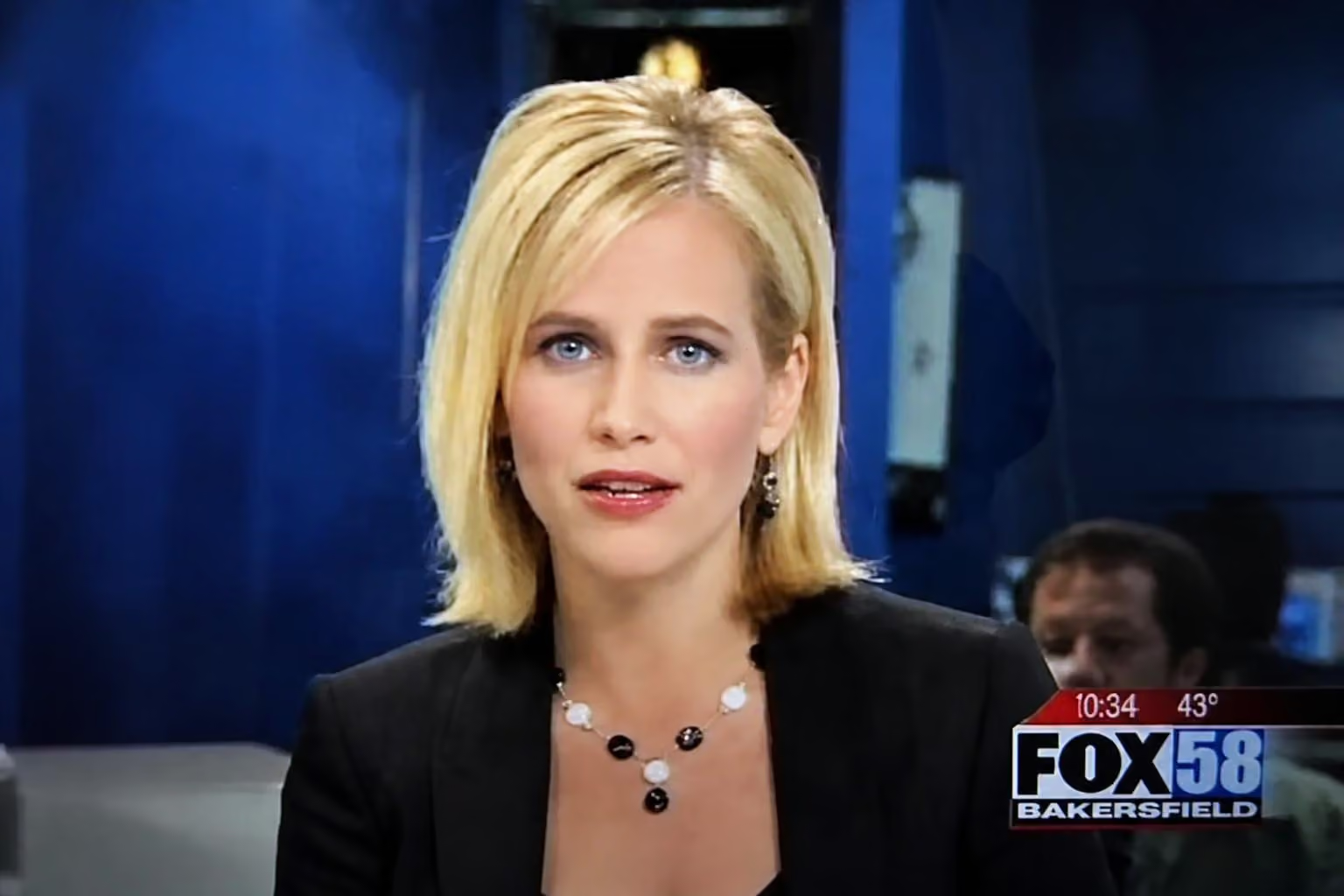
Years ago, right after I was hired as a television morning news reporter and noon anchor, my news director told me something I've never forgotten.
The decision had come down to two candidates. Several staff members were weighing in, and not everyone agreed. So, they closed their eyes and listened to both our voices.
The reason? People watching morning television aren't typically sitting there viewing every moment. They're getting dressed for work, fixing breakfast and helping their kids get ready for school. They may have the news on, but they're often listening more than they're watching.
And perhaps more importantly, they're just waking up.
If they hear a voice that's jarring in some way, they might change the channel.
But if the voice accompanying their first cup of coffee is pleasant to listen to, chances are they'll leave the remote right where it is.
So, I got the job.
Apparently, my voice was pleasant enough to listen to first thing in the morning. I'm not sure my husband would agree.
Her explanation stuck with me. It made perfect sense. I'd just never thought about it before.
Because whether we're delivering the morning news, hosting a podcast, giving a presentation or simply having a conversation, how we sound can be just as important as what we say.
But whether or not someone likes your voice is subjective, isn't it?
“Beauty” Is in the Ear of the Beholder
Take Demi Moore, for instance. After first seeing her in St. Elmo's Fire, I fell in love with her husky voice. I wanted to sound just like her. I still think it's cool, distinctive and memorable.
But someone else might disagree. They may think it's too deep, too raspy or not feminine enough.
Same voice. Different ears.
And women, in particular, seem to face a whole different set of expectations about how we're supposed to sound. Too high. Too low. Too nasal. Too breathy. Everyone seems to have an opinion.
Sometimes, it feels like we can't win.
What sounds soothing to one person might sound irritating to another. Marilyn Monroe's breathy voice was sexy, but would it have worked as a news anchor?
Think about Fran Drescher from The Nanny. That unmistakable nasal voice and Queens accent became part of her signature.
Or Janice (played by Maggie Wheeler) on Friends.
"Chandler!"
You can probably still hear her saying it, right?
A voice that might not be right for a news director could make a casting director jump out of their chair with glee.
So perhaps the question isn't whether someone has a good voice or a bad voice.
Maybe it's whether that voice works for the person, the purpose and the audience.
Is That Really What I Sound Like?
Have you ever heard a recording of yourself and thought, "Wait a minute. Is that how I actually sound?"
The voice we hear when we speak isn't exactly the same as the one everyone else hears. Which is why listening to a recording of yourself can be startling. And helpful.
Maybe your voice sounds more gravelly than you realized. Or squeaky. Or soft.
Perhaps you're speaking in an unnaturally low register because you think it makes you sound more authoritative. More serious. More believable.
Or maybe you've developed that exaggerated anchor voice that makes every sentence sound like breaking news.
"THIS... IS THE NEWS AT ELEVEN."
You know the one.
Give yourself a listen. Give yourself a lesson.
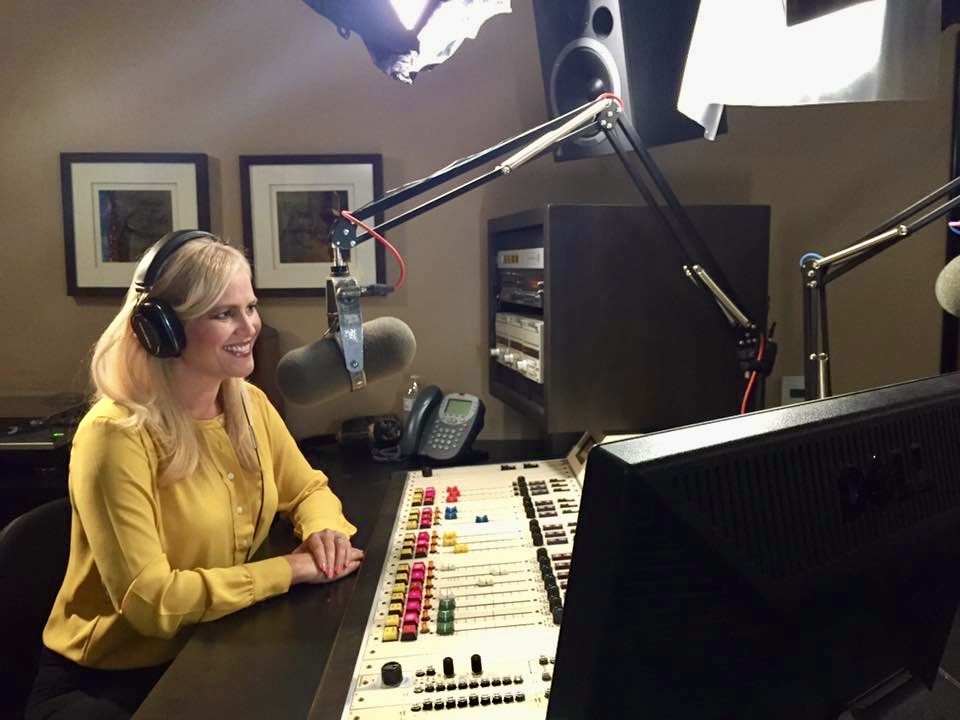
Record yourself speaking for a minute or two. Not delivering a rehearsed presentation. Just talking about something you're passionate about.
Then play it back. Close your eyes, like my former news director and her colleagues did.
Does your voice sound relaxed? Or strained? Warm or harsh? Clear or muffled? Are there habits you hadn't noticed before?
Don't immediately decide you need a complete overhaul. A distinctive voice can be an asset. Some people make a great living off their unique-sounding voices.
When you listen to your own voice, you might even discover that you like it!
Can You Actually Change Your Voice?
To a degree, yes.
Over the years, I've worked with reporters who were told that getting promoted or moving to a larger market meant working on their voices first.
Not what they were saying, but how they sounded.
Some even hired professional voice coaches.
While our vocal anatomy plays a role, breathing, resonance and speaking habits also affect how we sound. Many of those things can be improved.
We can't all sound like James Earl Jones. Nor should we try.
But sometimes small adjustments make a noticeable difference.
The goal isn't to speak louder, lower or more forcefully. It's to sound comfortable, natural and ultimately effective.
Not everyone wants - or needs - to change their voice.
But if you hear something you'd like to improve, becoming aware of it is a good first step.
The Voice People Want to Hear
There isn't one perfect voice for every person, profession or occasion.
What matters is understanding how your voice comes across to other people - and whether it's helping you make the impression you want to make.
So, the next time you hear someone speak, pay attention to the sound of their voice.
What is it about that voice that makes you want to keep listening?
Or change the channel?
And then consider your own.
Because you don't necessarily need a different voice to make a better impression. Sometimes, you just need to learn how to make the most of the one you've got.
The goal isn't to sound like everybody else. It's to sound like the best version of yourself.
If you'd like help making the most of your voice, Halligan Media offers personalized media and on-camera coaching. Let's talk! Reach out to me at Lynda@HalliganMedia.com.